
How Advanced Valve Design Improves ESG Performance

Environmental, Social, and Governance (ESG) performance has become a defining metric for industrial operators. Investors, regulators, and communities expect companies to demonstrate responsibility not only in financial results but also in how they manage environmental impact, workplace safety, and governance practices. Valves, though often overlooked, play a pivotal role in ESG outcomes. Advanced valve designs, […]
Meeting ASME 3100 Standards in Power Applications
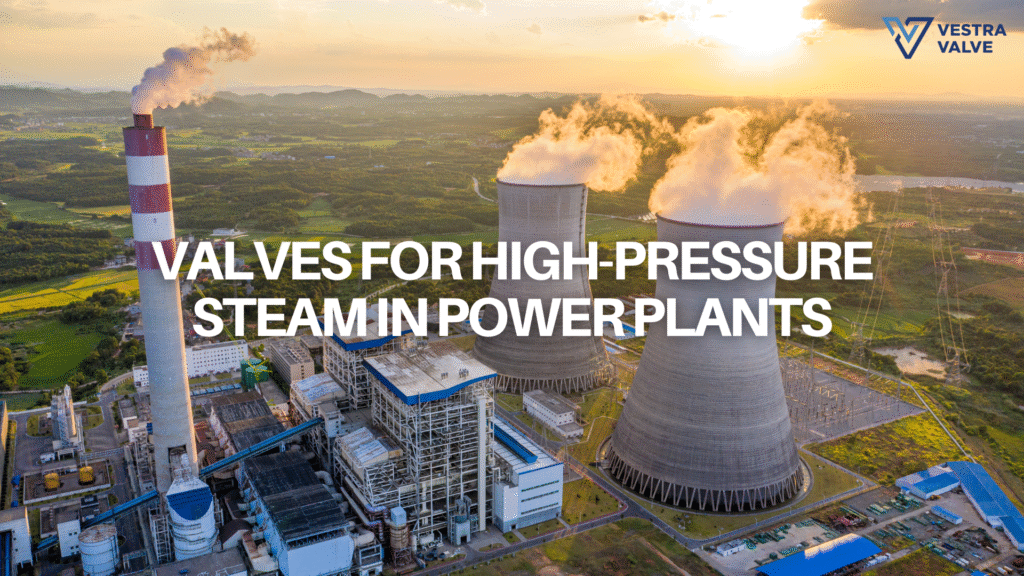
In power generation, valves operate under some of the harshest conditions: superheated steam, extreme pressure, and continuous cycling. To ensure reliability and safety, equipment must meet rigorous industry standards. One of the most demanding is ASME 3100 LTD, a pressure class rating that defines valve performance in extreme service. Vestra’s SG-1 metal-seated ball valves are […]
Why Mining Demands Valves with Superior Erosion Resistance
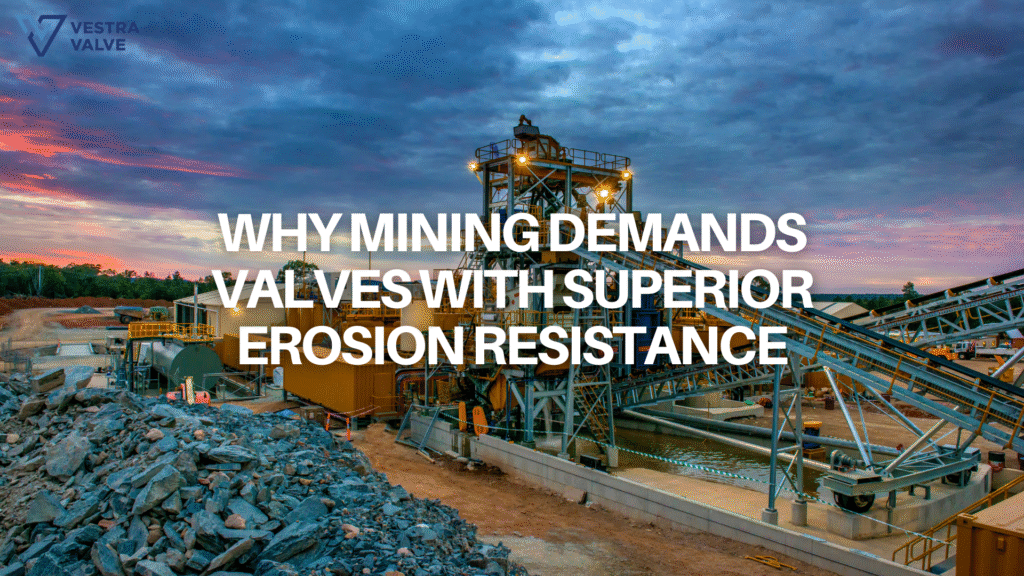
Mining is one of the most punishing environments for industrial equipment. Valves in mining applications must contend with abrasive slurries, corrosive chemicals, high pressures, and constant cycling. Standard valve designs wear out quickly, causing leaks, unplanned downtime, and costly replacements. That’s why mining operations demand valves engineered with superior erosion resistance, to keep production moving […]
Valves Built for Sour Gas & Offshore Environments

Few applications are as demanding as sour gas production and offshore oil & gas operations. Valves in these environments face a relentless combination of H₂S exposure, chlorides, high pressure, high temperature, and saltwater corrosion. In such conditions, the wrong valve design doesn’t just fail prematurely, it risks safety, compliance, and millions in lost production. That’s […]
Reducing OPEX in Oil & Gas Through In-Line Repairability

In the oil & gas industry, operational expenditures (OPEX) are under constant scrutiny. Every hour of downtime, every emergency repair, and every replacement part adds up, impacting both profitability and efficiency. One of the most overlooked yet powerful ways to reduce OPEX is through valve design, specifically with in-line repairable valves. The OPEX Challenge in […]
The Role of Mate-Lapped Seating Surfaces

When it comes to industrial valves, performance and reliability depend on one critical interface: the seating surfaces. This is where the valve makes or breaks its ability to achieve a tight shutoff. Even the smallest imperfections, scratches, uneven wear, or poor tolerances can lead to leaks, energy losses, and costly downtime. That’s why Vestra Valve […]
Pressure vs. Temperature: Vestra Valves in Extreme Conditions
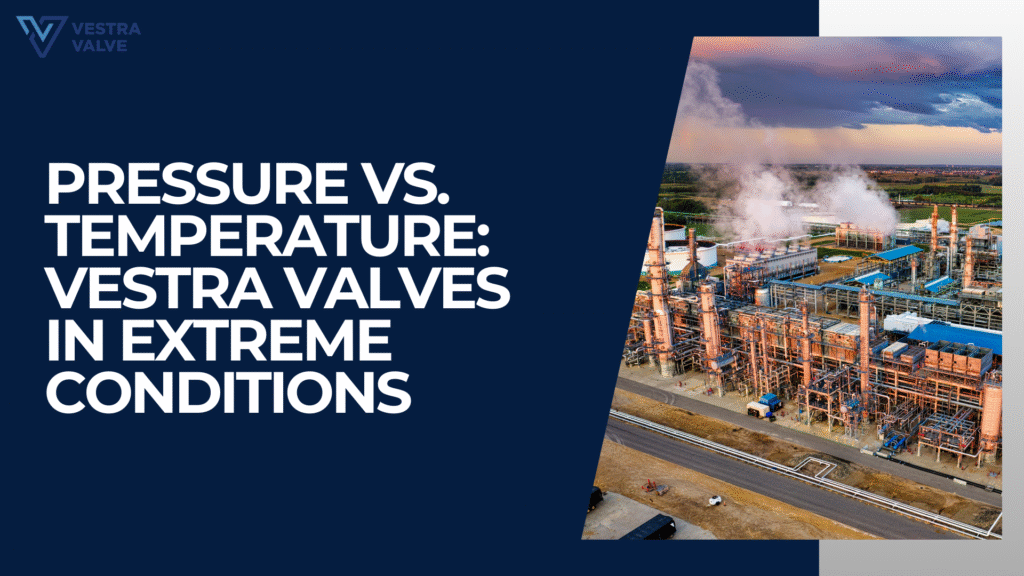
Industrial valves face some of the harshest environments on earth. From superheated steam lines in power plants to corrosive fluids in chemical facilities, valves must withstand extreme pressure and temperature while maintaining performance, safety, and reliability. Vestra Valve’s engineering focus is clear: design valves that operate with integrity under stress, no matter the conditions. The […]
Blowout-Proof Stems & Fugitive Emissions

In critical industries, oil & gas, power generation, petrochemical, and chemical processing, valve performance is directly tied to safety and environmental responsibility. Two issues stand out as mission-critical: stem blowouts and fugitive emissions. Both can result in catastrophic accidents, regulatory penalties, and environmental harm. That’s why modern valve engineering emphasizes blowout-proof stems and advanced sealing […]
In-Line Repairability: Reducing Downtime
In today’s industrial landscape, downtime is more than just an inconvenience; it’s a direct hit to profitability, safety, and reliability. From refineries and petrochemical plants to power generation facilities, every hour a valve is offline means lost production, potential safety risks, and rising costs. That’s why in-line repairability has emerged as a game-changing innovation in […]
How Chromium Carbide Coatings Extend Valve Life
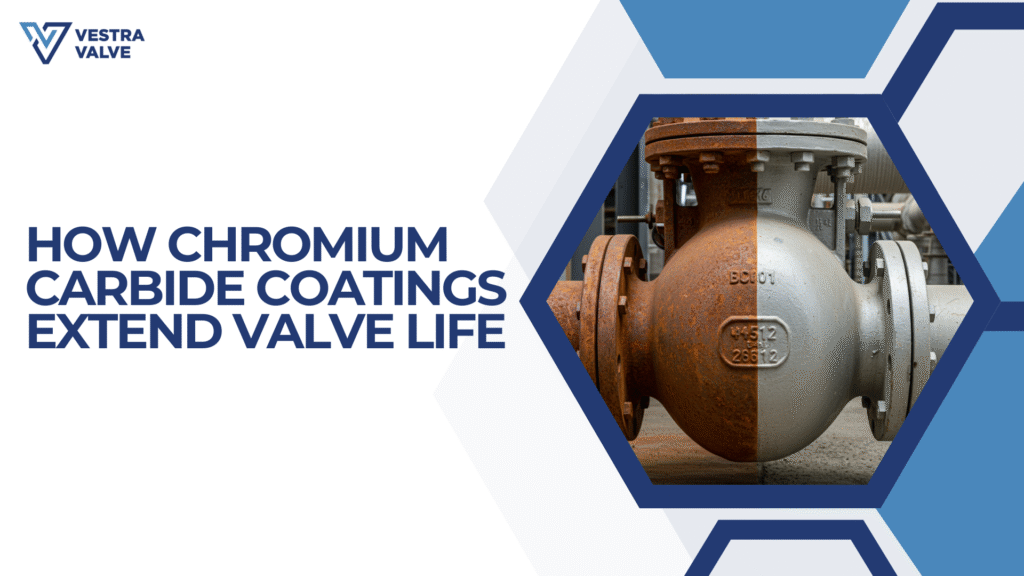
Valves in severe industrial service face wear, corrosion, erosion, thermal cycling, and particle impingement. These degrade sealing surfaces, trim, and internals, leading to leaks, greater maintenance, and unplanned shutdowns. Chromium carbide (e.g. Cr₃C₂‑NiCr, sometimes modified) coatings, applied via thermal spray or other advanced coating methods, can strongly extend valve component life. But to get the […]