
The Science Behind Zero-Leakage Valves
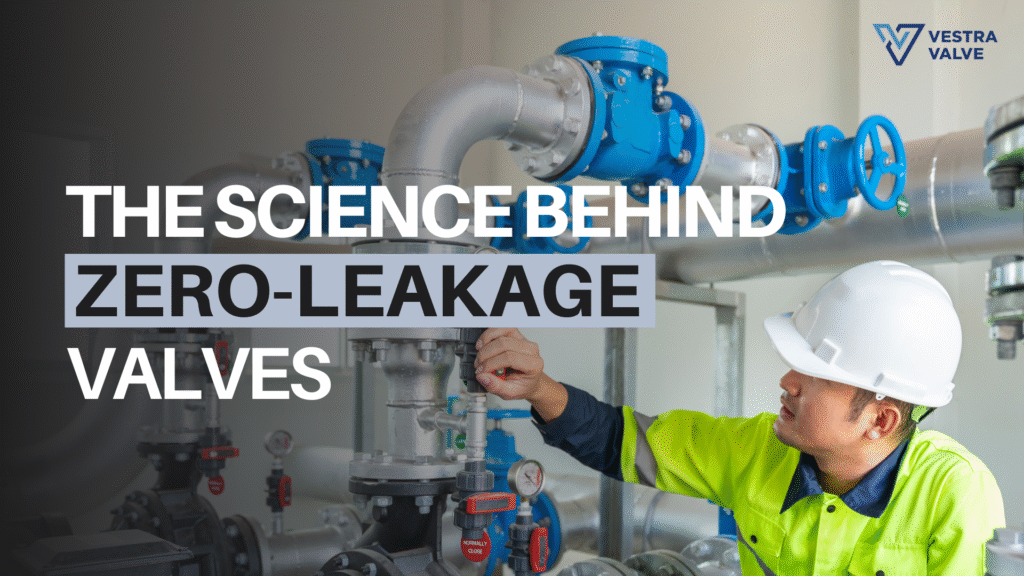
In fluid control systems, leakage isn’t just an inconvenience, it’s a cost, a risk, and a threat to efficiency, safety, and compliance. Zero-leakage valves, often described as “tight shut-off” or “bubble-tight,” are engineered to prevent any measurable fluid or gas flow when closed under specific test conditions. But what does “zero-leakage” really mean? How is […]
In-Line Repairability—Reducing Downtime in Power Plants
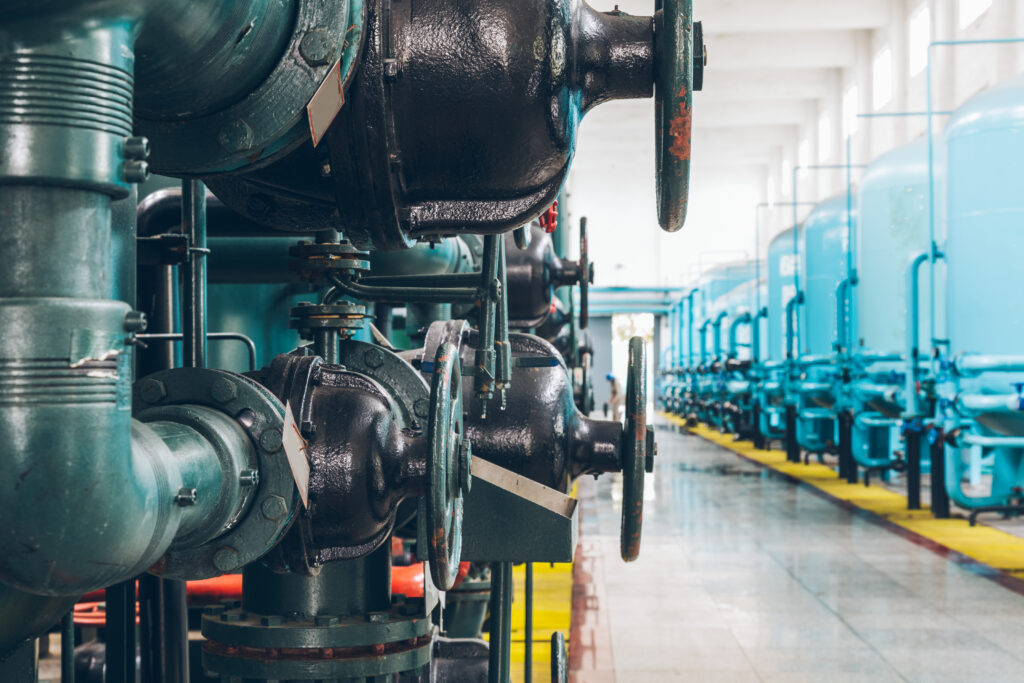
Downtime is one of the most expensive challenges faced by power plants and heavy industries. When a valve fails, the cost is not limited to the part itself but extends to lost production, maintenance labor, and sometimes even safety risks. Traditional valve designs often require complete removal of the actuator and welding work just to […]
Why Zero Leakage is Non-Negotiable

In the world of industrial operations, every detail matters, and valve leakage is one of those details that can make or break a system. Leakage in isolation valves does not simply mean that product is escaping—it means that the valve is failing. Every ounce of leakage represents lost efficiency, increased costs, and accelerated wear. More […]
The Evolution of Metal-Seated Ball Valves
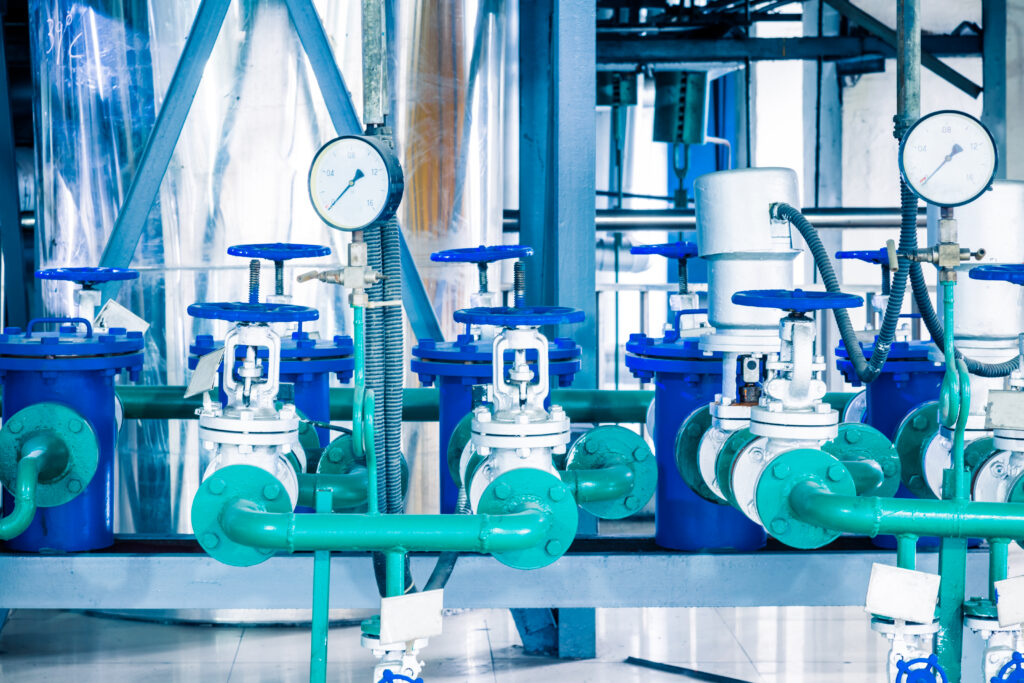
Metal-seated ball valve technology was not created overnight—it was born from necessity. As industries pushed into higher temperatures, higher pressures, and more aggressive chemical environments, traditional soft-seated valves began to fail. These early valves, while effective in less extreme settings, could not withstand the erosion, thermal shock, and corrosion present in steam generation and power […]